
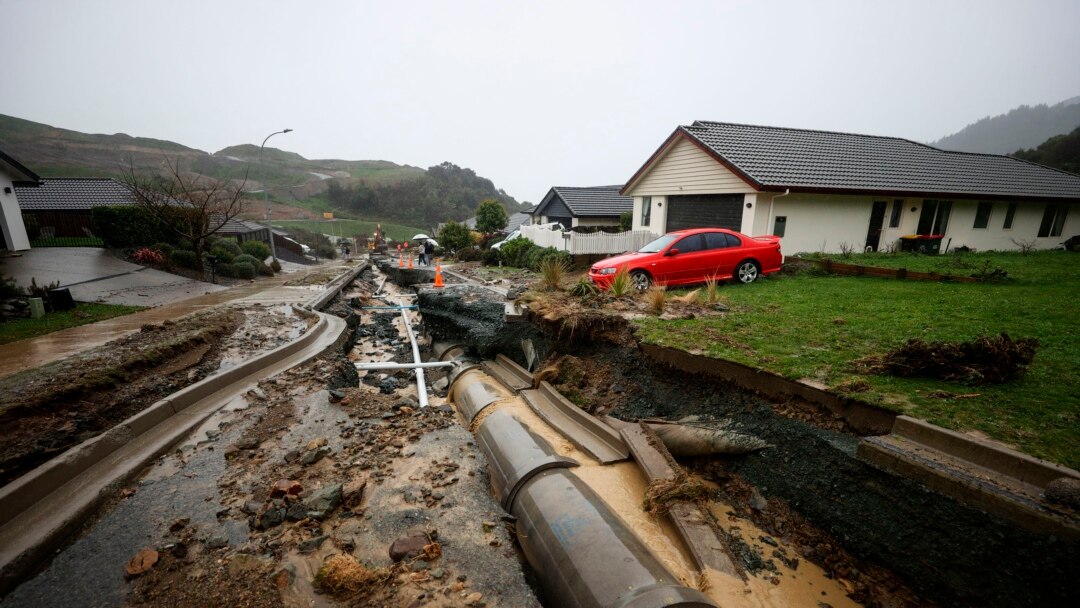
One of the first questions homeowners ask after flooding hits is simple: how long is this going to take? Whether it’s a burst pipe, storm damage, or appliance failure, understanding the typical timeline for flood damage cleanup can help you plan ahead and set realistic expectations. While every situation is different, here’s a general breakdown of what the restoration process usually looks like.
Assessment and Water Extraction
The first day is all about acting fast. Once a restoration team arrives, they begin by assessing the extent of the damage, categorising the water type, and identifying how far moisture has spread. Water extraction typically begins immediately using truck-mounted or portable extraction units, removing standing water from floors, carpets, and other affected surfaces. For most residential floods, extraction itself can be completed within a few hours, though larger or more severe floods may take longer.
Setting Up Drying Equipment
Once standing water is removed, industrial-grade dehumidifiers and air movers are strategically placed throughout the affected areas. This equipment works to draw out moisture that has already penetrated flooring, walls, and other materials. Technicians also take initial moisture readings at this stage to establish a baseline for tracking progress.
The Drying Process
This is typically the longest phase of flood damage cleanup. Structural drying usually takes between three and five days for standard residential water damage, though this timeline can vary significantly depending on:
- The extent and depth of water penetration
- The type of materials affected (timber, carpet, drywall, etc.)
- Humidity and ventilation conditions
- Whether the water was clean, grey, or contaminated
Technicians typically monitor moisture levels daily during this phase, adjusting equipment placement as needed to ensure even, thorough drying throughout the property.
Final Moisture Checks
Once materials reach acceptable moisture levels, technicians conduct final readings to confirm the area is genuinely dry — not just dry to the touch. This step is crucial, as premature removal of drying equipment can leave residual moisture that leads to mould growth later.
Repairs and Restoration
For flooding that caused structural damage — such as warped flooring, damaged drywall, or compromised insulation — repairs and reconstruction begin once the drying process is fully complete. Depending on the extent of damage, this phase can range from a few days for minor repairs to several weeks for more extensive restoration work involving flooring replacement, painting, or structural repairs.
Factors That Can Extend the Timeline
Several variables can lengthen the overall restoration process, including:
- Larger properties or multiple affected rooms
- Contaminated water requiring additional sanitisation steps
- Hidden moisture discovered during the drying process
- Insurance assessment and approval delays
- Availability of specific building materials for repairs
Why Professional Assessment Matters for Accurate Timelines
Every flood event is different, which is why professional restoration teams provide tailored timelines based on their initial assessment rather than generic estimates. Attempting DIY drying often extends the overall timeline significantly, as household equipment simply can’t match the efficiency of industrial-grade tools.
Getting Your Home Back to Normal, Faster
While flood damage cleanup can feel like a lengthy process, working with an experienced team significantly reduces delays and ensures the job is done right the first time. At Water Drying Experts, our Sydney-based team is committed to efficient, thorough restoration — keeping you informed at every stage so you know exactly what to expect and when your home will be fully back to normal.