
Demolishing a house is a major undertaking, whether you are clearing an old family home, removing a damaged dwelling or preparing land for a rebuild. Done poorly, it can lead to injuries, fines, environmental harm and unexpected costs. Done properly, it creates a clean, safe site ready for its next chapter. This guide explains the safe steps for residential demolition in Ararat so you know exactly what to expect.
Step 1: Plan and Assess the Property
Every safe project begins with careful planning. A professional will inspect the house, noting its size, construction materials, access points, nearby buildings and any hazards. Older homes in regional Victoria often contain hidden risks such as asbestos, lead paint, unstable roofing or outdated wiring. Early assessment helps define the scope of work and prevents surprises. Teams experienced in residential demolition in Ararat also consider site conditions like slope, trees and neighbouring properties.
Step 2: Obtain the Required Permits
In Victoria, demolition generally requires a building permit, and some properties also need planning approval, particularly if a heritage overlay applies. Contact the local council early to confirm what is needed, as approvals can take time. Licensed contractors usually handle this paperwork on your behalf. Professionals who have managed demolitions in Melbourne are often highly familiar with permit processes and can apply that knowledge to regional projects.
Step 3: Test for and Remove Asbestos
Homes built before the mid-1980s commonly contain asbestos in eaves, wall sheeting, roofing, flooring or backing materials. Never disturb suspected asbestos yourself. A licensed assessor should test materials, and a licensed removalist must safely remove and dispose of them. This step must be completed before the main demolition begins. Reputable providers of residential demolition in Ararat will always prioritise asbestos management to protect workers, neighbours and the environment.
Step 4: Disconnect All Utilities
Before any machinery arrives, electricity, gas, water, sewerage and telecommunications must be safely disconnected. Service providers should confirm each disconnection in writing. Skipping this step can lead to explosions, electrocution, flooding or damaged infrastructure. Contractors with extensive experience in demolitions in Melbourne know how critical it is to coordinate with utility companies, and this attention to detail is equally important in regional areas.
Step 5: Secure the Site
Safety fencing, warning signs and exclusion zones keep the public away from danger. Dust and noise controls are also set up to limit disruption to neighbours. Trees that need protection should be marked, and drainage should be safeguarded to prevent contaminated runoff. Notifying neighbours before work begins is both courteous and often required.
Step 6: Strip Out and Salvage Materials
Before the structure is knocked down, doors, windows, fittings, fixtures, bricks, timber and roof tiles can be removed for reuse or recycling. This soft strip-out reduces waste and can offset costs. Many homeowners are surprised by how much material can be recovered during residential demolition in Ararat, from hardwood beams to period fireplaces.
Step 7: Controlled Demolition
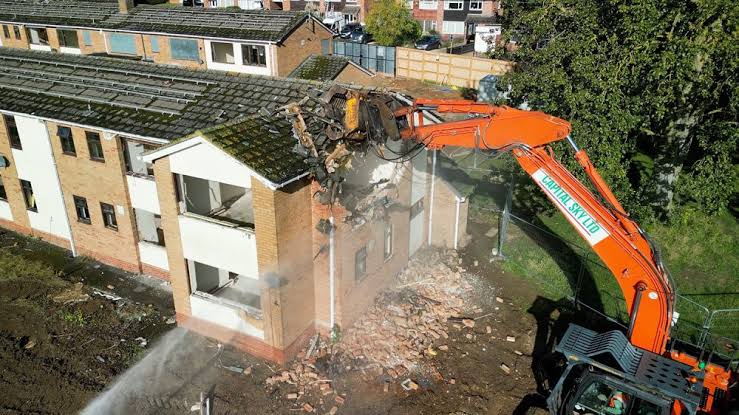
Skilled operators use excavators and specialised attachments to dismantle the structure in a planned sequence, usually from the top down. Water spraying suppresses dust, and spotters monitor safety around the machinery. Following a documented safe work method statement ensures every task is carried out systematically. This is where the expertise gained from numerous demolitions in Melbourne becomes valuable, as complex or confined sites demand precision.
Step 8: Sort, Remove and Dispose of Waste
Debris is separated into categories such as concrete, bricks, metal, timber and general waste. Recyclable materials are sent to appropriate facilities, while remaining waste is transported to licensed tips. Keep disposal receipts as proof of lawful handling.
Step 9: Final Site Clearance
Once everything is removed, the block is levelled and inspected. Footings, slabs and underground services may be removed or capped depending on your plans. A final clean-up leaves the land safe and ready for construction, landscaping or sale.
Choosing the Right Contractor
- Confirm licences and insurance
- Ask for written quotes and clear timelines
- Check their asbestos and safety procedures
- Request references from previous clients
Final Thoughts
Demolition is not a task to rush or attempt without expertise. By following these steps and hiring qualified professionals, you protect your family, neighbours and budget. Whether you are preparing for a new build or simply removing an unsafe structure, choosing experienced specialists in residential demolition in Ararat ensures the process is safe, lawful and efficient from start to finish.