
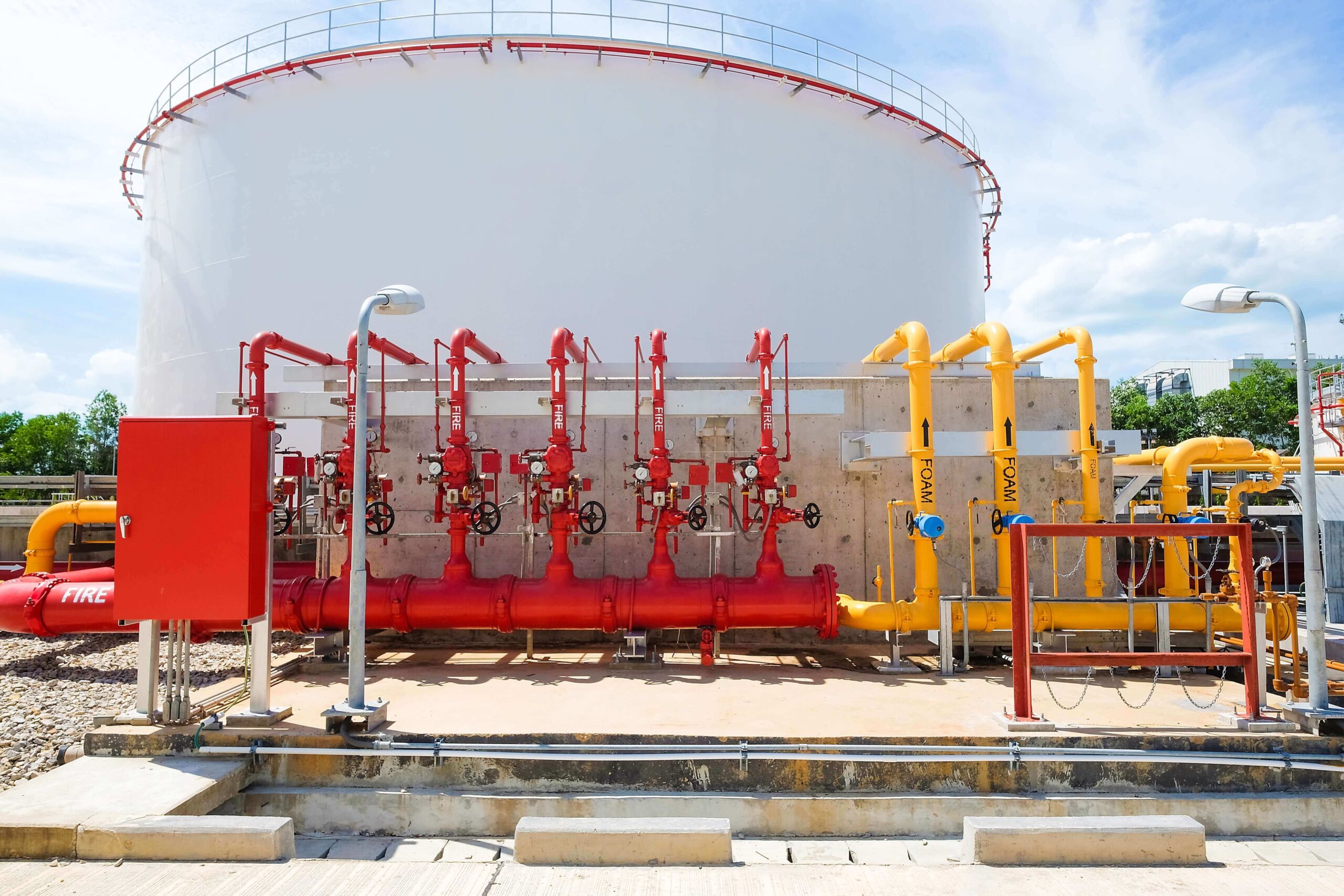
Brisbane, the vibrant capital of Queensland, is renowned for its subtropical climate, thriving urban culture, and picturesque landscapes. However, with the beauty of its lush greenery comes the ever-present risk of bushfires, particularly during the hot, dry seasons. In this context, fire water tanks have emerged as a crucial element in safeguarding properties and communities. These tanks provide a reliable water source for firefighting efforts, thereby playing an indispensable role in Brisbane’s fire preparedness and response strategy.
The Importance of Fire Water Tanks
Fire water tanks are specially designed storage units that hold large volumes of water dedicated exclusively to firefighting purposes. Unlike regular water tanks, these units are constructed with materials that can withstand extreme temperatures and are equipped with fittings compatible with firefighting equipment. The primary advantage of having a fire water tank is the immediate availability of water in the event of a fire, significantly enhancing the chances of controlling and extinguishing the blaze before it causes extensive damage.
Brisbane’s Unique Challenges
Brisbane’s topography and climate present unique challenges for fire management. The city’s sprawling urban areas are interspersed with vast expanses of bushland, creating a complex interface where human habitation meets natural vegetation. This urban-bushland interface is particularly vulnerable to bushfires, which can spread rapidly and unpredictably due to dry conditions and strong winds.
Furthermore, Brisbane’s water supply infrastructure, while robust, can be strained during peak demand periods or emergencies. In such scenarios, having decentralized sources of firefighting water, like fire water tanks, becomes crucial. These tanks ensure that water is readily available, even if the municipal supply is compromised or under pressure.
Installation and Maintenance
Installing a fire water tank involves several considerations, including the tank’s capacity, location, and the materials used in its construction. In Brisbane, tanks are typically required to meet specific regulatory standards to ensure they are fit for purpose. For residential properties, a capacity of 10,000 to 20,000 liters is common, while commercial and industrial sites may require significantly larger tanks.
The location of the tank is also critical. It should be easily accessible to firefighting crews and equipment, yet positioned in a way that minimizes the risk of damage from the fire itself. Many tanks are installed with dedicated fire hose reels and pumps to facilitate immediate water delivery.
Regular maintenance of fire water tanks is essential to ensure their effectiveness. This includes periodic inspections to check for leaks or damage, cleaning to prevent the buildup of debris and contaminants, and testing of pumps and hoses. In Brisbane’s climate, where algae growth can be a concern, using appropriate tank covers and treatments can help maintain water quality.
Community and Environmental Benefits
Beyond their primary function of fire protection, fire water tank in Brisbane offer several additional benefits to the community and environment. They reduce the burden on the municipal water supply, particularly during firefighting operations, which can involve significant water usage. By capturing and storing rainwater, these tanks also contribute to water conservation efforts, making them a sustainable choice for property owners.
Moreover, having fire water tanks can enhance property values and provide peace of mind to residents and business owners. Knowing that there is a dedicated water source for firefighting can alleviate concerns during the fire season and contribute to a sense of security within the community.
In a city like Brisbane, where the risk of bushfires is an ever-present reality, the importance of fire water tanks cannot be overstated. These tanks are a vital component of a comprehensive fire management strategy, ensuring that water is available when it is needed most. By investing in fire water tanks, Brisbane residents and businesses not only protect their properties but also contribute to the overall resilience and sustainability of their community.
Brisbane, the vibrant capital of Queensland, is renowned for its subtropical climate, thriving urban culture, and picturesque landscapes. However, with the beauty of its lush greenery comes the ever-present risk of bushfires, particularly during the hot, dry seasons. In this context, fire water tanks have emerged as a crucial element in safeguarding properties and communities. These tanks provide a reliable water source for firefighting efforts, thereby playing an indispensable role in Brisbane’s fire preparedness and response strategy.
The Importance of Fire Water Tanks
Fire water tanks are specially designed storage units that hold large volumes of water dedicated exclusively to firefighting purposes. Unlike regular water tanks, these units are constructed with materials that can withstand extreme temperatures and are equipped with fittings compatible with firefighting equipment. The primary advantage of having a fire water tank is the immediate availability of water in the event of a fire, significantly enhancing the chances of controlling and extinguishing the blaze before it causes extensive damage.
Brisbane’s Unique Challenges
Brisbane’s topography and climate present unique challenges for fire management. The city’s sprawling urban areas are interspersed with vast expanses of bushland, creating a complex interface where human habitation meets natural vegetation. This urban-bushland interface is particularly vulnerable to bushfires, which can spread rapidly and unpredictably due to dry conditions and strong winds.
Furthermore, Brisbane’s water supply infrastructure, while robust, can be strained during peak demand periods or emergencies. In such scenarios, having decentralized sources of firefighting water, like fire water tanks, becomes crucial. These tanks ensure that water is readily available, even if the municipal supply is compromised or under pressure.
Installation and Maintenance
Installing a fire water tank involves several considerations, including the tank’s capacity, location, and the materials used in its construction. In Brisbane, tanks are typically required to meet specific regulatory standards to ensure they are fit for purpose. For residential properties, a capacity of 10,000 to 20,000 liters is common, while commercial and industrial sites may require significantly larger tanks.
The location of the tank is also critical. It should be easily accessible to firefighting crews and equipment, yet positioned in a way that minimizes the risk of damage from the fire itself. Many tanks are installed with dedicated fire hose reels and pumps to facilitate immediate water delivery.
Regular maintenance of fire water tanks is essential to ensure their effectiveness. This includes periodic inspections to check for leaks or damage, cleaning to prevent the buildup of debris and contaminants, and testing of pumps and hoses. In Brisbane’s climate, where algae growth can be a concern, using appropriate tank covers and treatments can help maintain water quality.
Community and Environmental Benefits
Beyond their primary function of fire protection, fire water tanks offer several additional benefits to the community and environment. They reduce the burden on the municipal water supply, particularly during firefighting operations, which can involve significant water usage. By capturing and storing rainwater, these tanks also contribute to water conservation efforts, making them a sustainable choice for property owners.
Moreover, having fire water tanks can enhance property values and provide peace of mind to residents and business owners. Knowing that there is a dedicated water source for firefighting can alleviate concerns during the fire season and contribute to a sense of security within the community.
In a city like Brisbane, where the risk of bushfires is an ever-present reality, the importance of fire water tanks cannot be overstated. These tanks are a vital component of a comprehensive fire management strategy, ensuring that water is available when it is needed most. By investing in fire water tanks, Brisbane residents and businesses not only protect their properties but also contribute to the overall resilience and sustainability of their community.
Enhancing Fire Safety: Sprinkler Tanks in Sydney
In Sydney, a city known for its dense urban environment and iconic architecture, fire safety is paramount. Sprinkler tanks are critical components in this safety strategy, providing a dedicated water supply for automatic sprinkler systems. These tanks ensure that, in the event of a fire, water is readily available to control and extinguish flames quickly, minimizing damage and safeguarding lives.
Sprinkler tanks in Sydney are designed to meet stringent regulatory standards, ensuring reliability and efficiency. They are constructed from durable materials to withstand the pressures of emergency use and are typically installed in commercial buildings, high-rises, and industrial facilities.
Regular maintenance and inspections of these tanks are essential to ensure their readiness. By investing in high-quality sprinkler tanks, Sydney’s property owners can significantly enhance their fire protection measures, contributing to a safer environment for everyone in the city.