
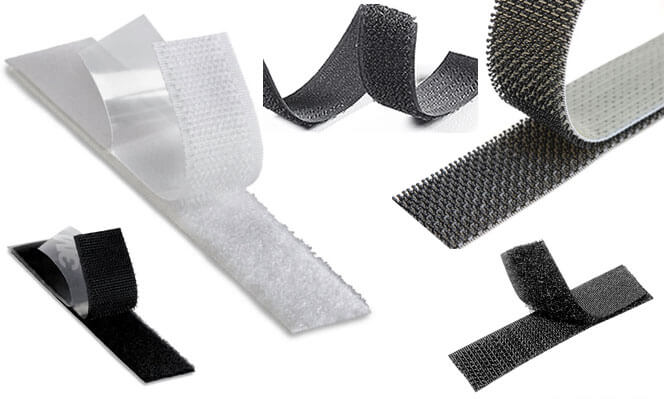
Water exposure can weaken standard fasteners, making durability a key concern in many applications. This is where hook and loop tape designed for waterproof or water-resistant use becomes important. Using the right hook and loop tape ensures strong adhesion and reliable performance even in humid or wet conditions. These specialized variants are built with materials and adhesives that resist moisture, making them suitable for both indoor and outdoor environments. Whether used in homes, marine settings, or industrial applications, understanding what to look for helps you choose the right product and avoid premature failure.
1. Material Quality
Waterproof hook and loop tape is typically made from synthetic materials such as nylon or polyester. These materials resist water absorption and maintain their grip over time. Polyester is often preferred for outdoor use due to its better resistance to UV rays and moisture.
2. Adhesive Strength
The adhesive backing is a critical factor. Waterproof variants use strong, weather-resistant adhesives designed to bond with surfaces like plastic, metal, and glass. Look for tapes labeled as “outdoor grade” or “marine grade” for better durability in wet conditions.
3. Resistance to Temperature Changes
Outdoor and wet environments often involve temperature fluctuations. High-quality hook and loop tape should maintain its performance in both hot and cold conditions without losing adhesion or flexibility.
4. Water vs. Water-Resistant
Not all products labeled for moisture are fully waterproof. Water-resistant tape can handle occasional splashes, while waterproof tape is designed for prolonged exposure. Choose based on the level of exposure your application requires.
5. Load-Bearing Capacity
Different tapes support different weights. Check the load capacity to ensure the tape can hold the intended items securely, especially in wet conditions where weight and pressure may increase.
6. Surface Compatibility
Ensure the adhesive works well with the intended surface. Smooth, clean surfaces provide the best bond. For rough or porous surfaces, mechanical fastening or additional support may be required.
Where to Use Waterproof Hook and Loop Tape
Bathroom Organization
Use it to secure accessories like holders, organizers, or lightweight storage units in bathrooms. Its resistance to humidity makes it suitable for walls, cabinets, and tiles.
Outdoor Equipment
Waterproof hook and loop tape is useful for securing outdoor gear such as garden tools, covers, and decorations. It holds items in place despite rain or moisture exposure.
Marine Applications
In boats or watercraft, it can be used to secure cushions, equipment, or storage compartments. Marine-grade variants are specifically designed to handle constant exposure to water and salt.
Camping and Travel Gear
Use it to fasten tents, sleeping bags, or travel accessories. It provides a quick and reusable solution for temporary setups in varying weather conditions.
Automotive Use
It can help organize cables, secure mats, or hold accessories inside vehicles. Waterproof properties ensure performance even in humid or rainy environments.
Industrial and Workshop Settings
Workshops often deal with moisture, dust, and heavy use. Waterproof hook and loop tape can be used to manage tools, cables, and protective covers efficiently.
Poolside and Recreational Areas
Around pools or outdoor seating areas, it can secure cushions, mats, or decorative elements that are exposed to water regularly.
Maintenance Tips
To maintain performance, ensure surfaces are clean and dry before application. Periodically check for debris in the hook and loop fibers, as buildup can reduce grip strength. Replacing worn-out strips when needed helps maintain reliability.
Waterproof hook and loop tape offers a practical solution for environments where moisture is a concern. By selecting the right material, adhesive, and strength, you can ensure long-lasting performance across a variety of applications.